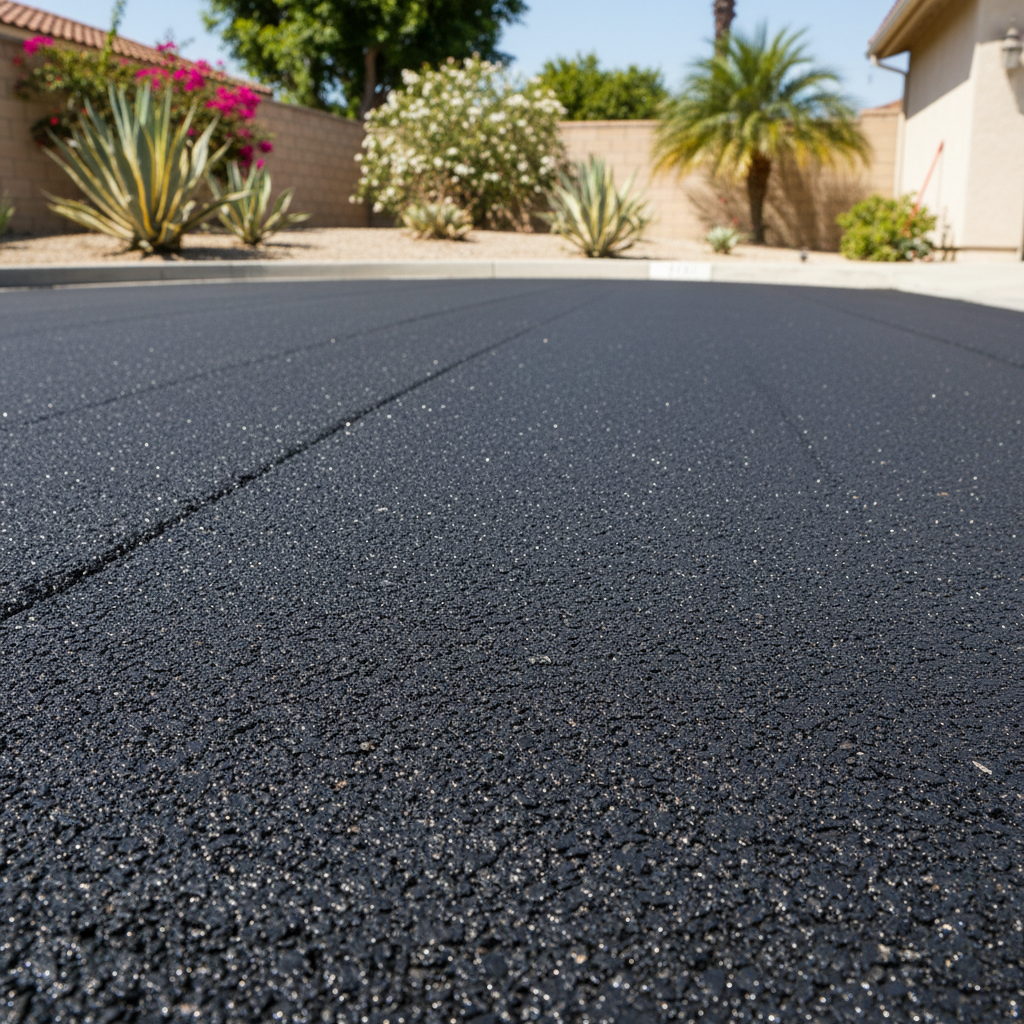
Commercial parking areas and large residential properties hold up for decades or they crumble in just a few years. Work around Orange County shows that success comes down to handling the project right from the very start. Managing a multi-family property or figuring out how to tackle a heavy-duty paved area on a large residential lot requires a solid plan. Garden Grove Asphalt Construction deals with the local clay-heavy soil conditions every single week, especially in neighborhoods like West Garden Grove where sub-base shifting can ruin a poor paving job in no time.
Before the Project Starts
Preparation makes or breaks Asphalt Paving. Hot mix cannot simply be thrown over dirt and left to work out. Before any equipment rolls onto your property, the sub-base must be inspected, soft spots must be checked, and proper drainage must be mapped out so water never pools against your foundation. Realistically, clearing away light debris or mapping out your layout is something you can manage on your own over a weekend. But when it comes to grading heavy soil and compacting aggregate base to industrial standards, you need heavy machinery and experienced operators.
Permits and scheduling also happen in this window. Local codes must be checked. Working on a shared commercial or multi-family space means letting tenants or neighbors know ahead of time, which saves everyone from unnecessary complications.
During the Paving Process
Once the crew shows up, the work moves fast. Dump trucks haul hot asphalt mix, pavers lay down smooth ribbons, and heavy steel drum rollers compact everything into a dense, solid surface. Professional execution matters most during Asphalt Paving. Temperature control is important; asphalt has to go down hot and get rolled immediately to lock in the proper density.
Property owners can stay out of the way during this phase, keep pets and kids indoors, and monitor the crew to make sure they are sticking to the agreed-upon layout. The technical execution is left to the pros who know how to manage the pour without leaving cold joints or uneven spots.
After the Paving is Done
The job does not end when the roller stops. Fresh asphalt needs time to cure properly. Heavy vehicles must be kept off the new surface for 3 to 5 days, depending on the weather. Southern California heat can keep asphalt pliable longer than expected.
Maintenance is where property owners take control of their investment. Minor crack filling can be handled with cold-pour products from the hardware store during the first year or two. Keeping oil and chemical spills wiped up also stops the surface from breaking down prematurely. For long-term protection, Garden Grove Asphalt Construction recommends scheduling a professional sealcoating every 2 to 3 years to block out UV rays and moisture.