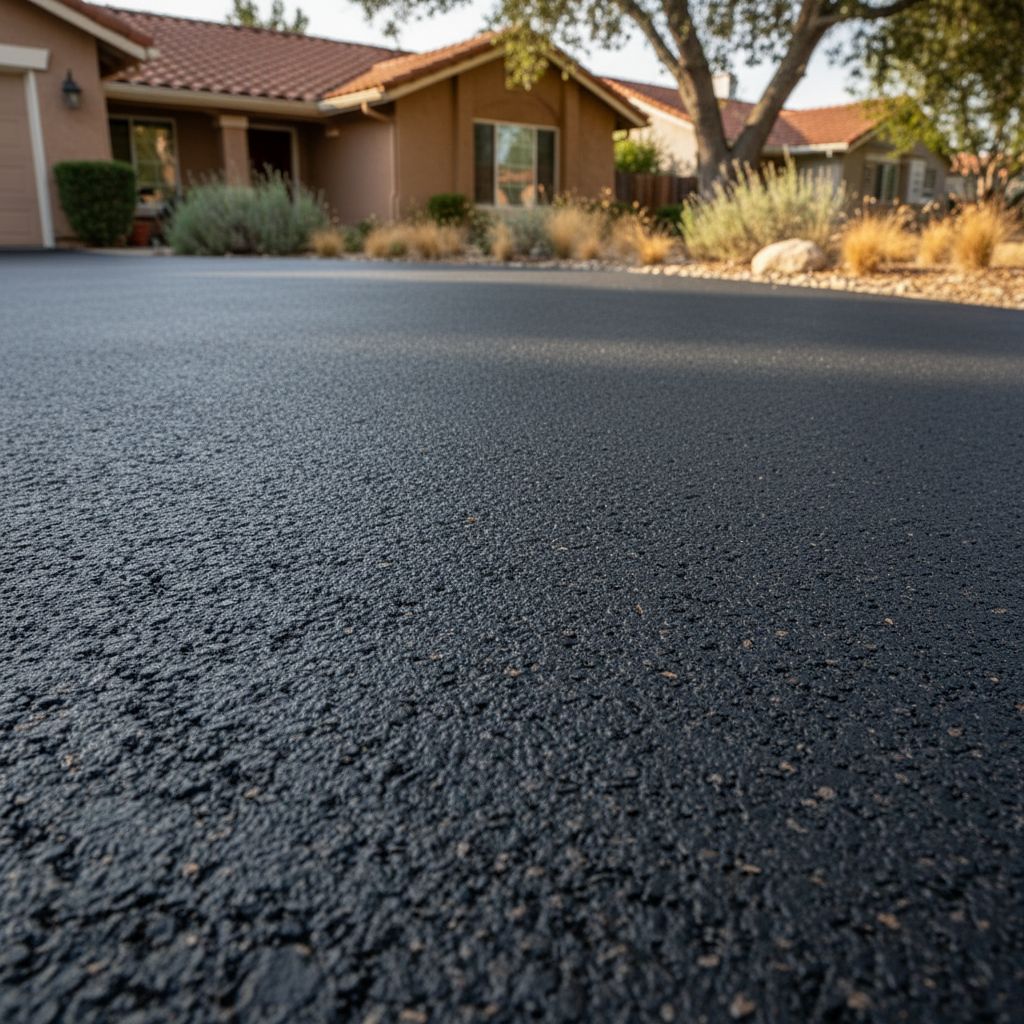
Thinking About a New Asphalt Driveway? Here's the Real Deal.
So, you're staring at that cracked concrete or gravel path, aren't you? And you're probably thinking, "Time for some smooth, blacktop goodness." Good call. Asphalt's a fantastic choice for driveways and private roads right here in Garden Grove. It's tough, looks sharp, and if it's done right, it'll last you a good long time. But before you start picturing perfectly paved surfaces, let's chat about what actually goes into it. This isn't just about pouring hot stuff on the ground; there's a whole process, and knowing it can save you a ton of headaches and money.
Before the Shovel Hits the Dirt: Planning & Prep
First things first, you've got to plan. What exactly are you paving? A driveway? Maybe a small parking pad? Or a path around the side of the house? The size and what you'll use it for will tell you a lot. Don't just eyeball it; grab a tape measure. Get a really clear idea of the square footage. This helps a ton with material estimates and figuring out if you're biting off more than you can chew.
Next up, think about drainage. This is HUGE, especially with our occasional heavy rains, right? You definitely don't want water pooling up on your brand-new asphalt, creating soft spots or even ice hazards in winter. Does your yard naturally slope? Will you need to grade the area or maybe add a drain? If your property is in one of those older neighborhoods near Brookhurst, where the lots can be a bit flatter, you really, truly need to pay attention to how water will flow away from your house and off the new surface.
Now, let's talk about that existing surface. If you've got an old asphalt driveway with just a few cracks, you might get away with a simple overlay. That's where we clean it up, fix the big stuff, and put a new layer right on top. But if it's crumbling, full of big potholes, or the base underneath is shot, you're looking at a full removal and replacement. Same goes for concrete; you'll need to break that up and haul it away. This is usually when most homeowners realize just how big the job is. Breaking up concrete or tearing out an old asphalt base is heavy, labor-intensive work. You can rent equipment, sure, but it takes time, skill, and a strong back. For anything beyond a small patch, this is generally where I tell folks to call a pro. We've got the heavy machinery and the crew to get it done safely and efficiently.
During the Project: Base, Paving, & Rolling
Once the old stuff's gone, or if you're starting from scratch, it all comes down to the base. This is the unsung hero of any asphalt project. A good, solid base of compacted aggregate (like gravel or crushed rock) is what actually supports your asphalt. Without it, your beautiful new driveway will crack and sag in no time. You need at least 4-6 inches of compacted base for a driveway. This means spreading the material, grading it correctly for drainage, and then compacting it with a heavy roller. You can rent small plate compactors for really tiny jobs, but for a whole driveway, you'll need something much bigger. Getting the grade right and compacting it evenly is a real skill, by the way. If you mess this up, well, you've pretty much wasted all your effort and money.
Then comes the asphalt itself. This is hot stuff, literally. It comes out of the truck at around 300 degrees Fahrenheit. It needs to be spread quickly and evenly, then compacted while it's still hot and workable. This is definitely not a DIY job for a homeowner. You need specialized equipment – a paver to lay it down consistently and heavy rollers to compact it to the right density. This is where Garden Grove Asphalt Construction really shines. We have the crew, the equipment, and the experience to lay down a smooth, durable surface that'll stand up to our Southern California sun and traffic.
After the Work is Done: Curing & Care
Once the asphalt is laid and compacted, it's not quite ready for prime time. It needs to cure. This means staying off it for a few days, usually 2-3 days for light foot traffic, and at least 5-7 days for vehicles. The longer you can keep heavy vehicles off it, the better, honestly. It's still hardening and gaining strength during this time. Parking heavy RVs or boats on it too soon can cause depressions.
You'll also want to sealcoat your new asphalt. This isn't something you need to do immediately, but within the first year is a good idea, and then every 2-3 years after that. Sealcoating protects the asphalt from UV rays, water penetration, and oil spills. It keeps it looking good and extends its life. This is one of those tasks that a handy homeowner can tackle for smaller areas, but it's messy and takes some practice to get an even coat. For a whole driveway, many folks still prefer to have a pro do it.
So, can you DIY asphalt paving? For a tiny patch, maybe. But for a driveway or anything substantial, the honest answer is no, not really. The base prep is critical, and laying and compacting the hot asphalt requires specialized equipment and expertise. You're better off saving your back and your money by bringing in the pros for the major work. You'll get a job that actually lasts, and you won't be kicking yourself a year later when cracks start showing up from a poorly compacted base.