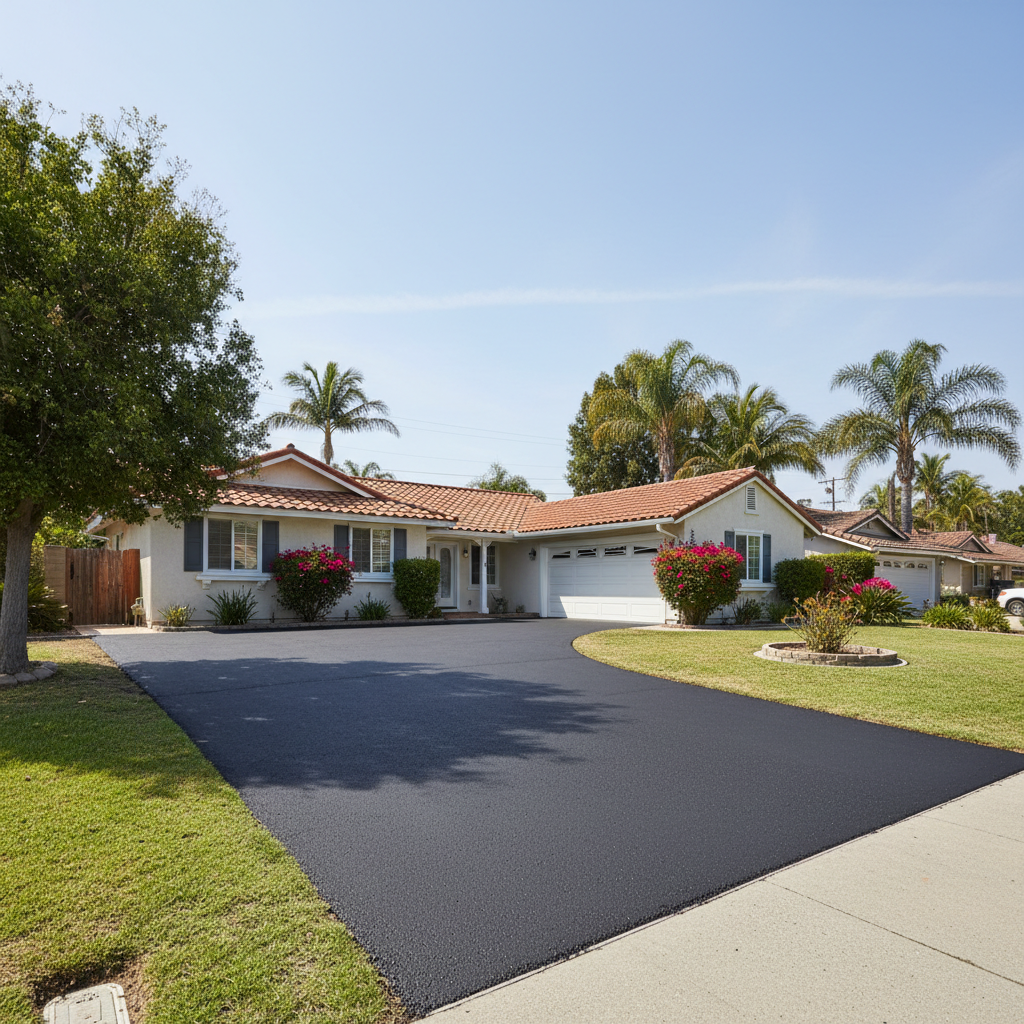
Thinking about repaving that old, cracked driveway? Good call. A new driveway isn't just about looking nice; it's about making things safer, more functional, and adding real value to your home. But before you jump in, you'll want a clear picture of what's actually involved. Here at Garden Grove Asphalt Construction, we've helped plenty of folks right here in town get their driveways sorted. And I can tell you, a little planning goes a long way.
Understanding the Timeline: How Long Does This Really Take?
Okay, let's talk timelines. This isn't an overnight job, but it's not a months-long saga either. Generally, from the moment you decide to get a quote to the day you're admiring your fresh asphalt, you're looking at a few weeks – sometimes a bit more – depending on a few things.
- Getting Quotes & Choosing a Contractor: This part's on you, and it can take anywhere from a few days to a couple of weeks. Don't rush it; get at least three bids.
- Scheduling the Work: Once you pick a contractor, they'll fit you into their schedule. This could be a week or two out, especially during busy seasons like late spring or early fall when the weather's just right for paving.
- The Actual Paving Process: For a typical residential driveway, the physical work usually takes 1-3 days. That includes digging out the old stuff, laying the base, and then the asphalt itself. Larger or more complex driveways might take a bit longer, naturally.
- Curing Time: This is crucial. You can't drive on it right away, plain and simple. We usually recommend staying off it for at least 24-48 hours. For heavy vehicles, it's more like 5-7 days. Full curing can take up to six months, but don't worry, you'll be using it long before then.
So, from start to finish, budget about 3-6 weeks for the whole process, including your research and the contractor's scheduling. It's an investment, after all.
What to Expect During the Paving Process
Alright, you've signed the contract, and the crew's showing up. What's going to happen? It's a pretty standard process, but knowing the steps helps you understand what's going on.
- Demolition and Excavation: First, we'll tear out your old driveway, if you have one. Then, we'll dig out the area to the proper depth. This can be a bit noisy and dusty, so be prepared. We're talking heavy machinery here, after all.
- Grading and Base Preparation: This is arguably the most important step. We'll grade the area to make sure water drains away from your house, then lay down a strong aggregate base. We compact it thoroughly. If this isn't done right, your new driveway won't last. Here in Garden Grove, with our occasional heavy rains, getting the grade right is non-negotiable to prevent standing water.
- Binder and Surface Course Application: Once the base is solid, we'll apply the asphalt. Often, this is done in two layers: a binder course for strength, and then a smoother surface course on top. Each layer gets compacted with heavy rollers.
- Compaction and Finishing: More rolling, more compacting. We'll make sure it's smooth, even, and has the right slope. Edges will be tidied up.
- Curing: As I mentioned, you'll need to keep off it for a bit. We'll give you clear instructions on when it's safe to drive and how to care for it initially.
It's a messy job, but it's a controlled mess. Your contractor should keep the site as clean and safe as possible.
How to Prepare Your Home and Property
You've got a role to play too. A little prep on your end makes everything go smoother.
- Clear the Area: Move your cars, bikes, trash cans, planters — anything that's on or near the driveway. We need clear access.
- Inform Neighbors: Give your neighbors a heads-up, especially if heavy equipment will be coming and going, or if there will be temporary access issues. It's just good neighborly etiquette.
- Secure Pets and Kids: This is a construction zone. Keep pets indoors or in a secure, fenced area away from the work. Kids should be kept at a safe distance too.
- Sprinkler Systems: If you have sprinklers running under or alongside your driveway, mark them clearly. Or just let your contractor know so they can be extra careful. Better yet, turn them off for a few days before and during the work.
- Alternative Parking: Figure out where you'll park your vehicles during the project. You won't be able to use your driveway for a few days, obviously.
Crucial Questions to Ask Before Signing a Contract
Don't just sign the first thing put in front of you. Ask questions. Any reputable contractor, like Garden Grove Asphalt Construction, will be happy to answer them.
- Are you licensed and insured? This is non-negotiable. Ask for proof of both. Licensing protects you from shoddy work, and insurance protects you from liability if someone gets hurt on your property.
- Can you provide references? Talk to previous clients. See their work.
- What's included in the quote? Make sure it covers everything: demolition, excavation, base material, asphalt layers, labor, cleanup, and disposal. No hidden fees.
- What kind of base material do you use, and how thick will it be? The base is critical. You want a good, solid, compacted aggregate base, typically 6-8 inches thick for residential driveways.
- How thick will the asphalt layers be? For residential driveways, you're usually looking at 2-3 inches of compacted asphalt.
- What's your warranty? A good contractor stands behind their work. Ask about the warranty period and what it covers.
- What's your plan for drainage? This is super important. They should explain how they'll ensure water flows away from your house and doesn't pool on the driveway.
- What's the payment schedule? Avoid contractors who demand 100% upfront. A reasonable schedule might be a deposit, a payment midway, and the final payment upon completion and your satisfaction.
Taking the time to plan and ask these questions will save you headaches down the road. You'll end up with a beautiful, durable driveway that adds value to your Garden Grove home for years to come. Don't be afraid to be thorough; it's your investment, after all.