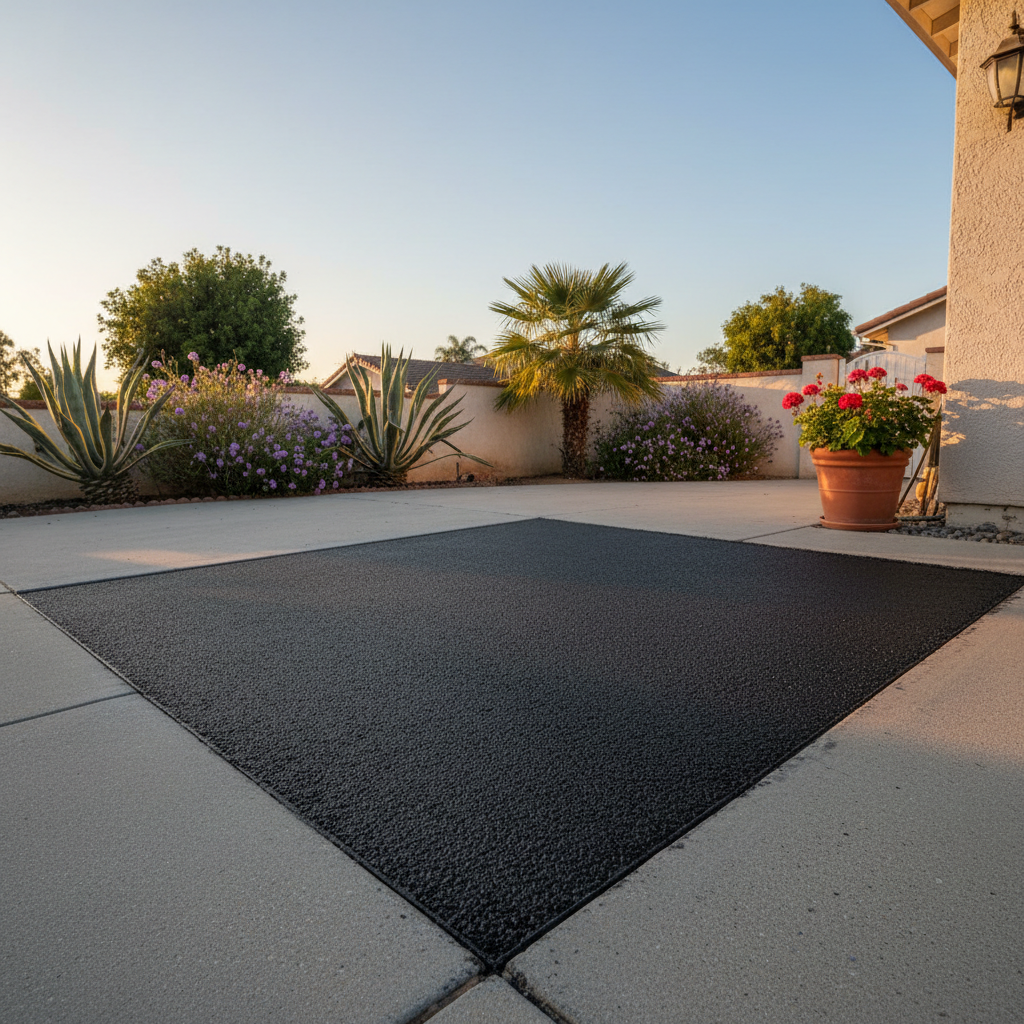
So, you've had some asphalt patching done, maybe on your driveway or a commercial lot right here in Garden Grove. Smart move, that! Fixing those cracks and potholes early really does save a ton of money down the road. But here's the thing: a patch isn't a 'set it and forget it' kind of deal. You've got to give it a little love if you want it to truly last and protect your investment.
Extending the Life of Your Asphalt Patch
The biggest enemy of any asphalt — new or patched — is water. Seriously, water is just relentless. When we patch, we're sealing up those entry points, but you've still got to keep an eye on things. Think about how hot it gets here in the summer, especially down by the 22 freeway. That heat makes asphalt expand, and then when it cools overnight, it contracts. This constant movement puts stress on everything, including your new patch.
One of the best things you can do is keep the area clean. Dirt, leaves, and other debris can trap moisture against the asphalt, which isn't good at all. Also, if you've got any heavy vehicles regularly driving over a patched area, try to minimize sharp turns on it. That twisting motion can really stress the edges of a patch, causing it to separate from the surrounding pavement.
Another big one, especially in our sunny California climate, is sealcoating. I know, I know, it sounds like an extra step, but it's a real game-changer for protecting your asphalt. A good quality sealcoat acts like sunscreen for your pavement, blocking out those harsh UV rays that dry out the asphalt and make it brittle. It also adds a layer of protection against oil spills and water getting in. We usually recommend waiting a few months after a patch is done before sealcoating, just to let it cure properly. But once it's ready, it's a very smart move.
Regular Maintenance: What You Should Be Doing
Regular maintenance for an asphalt patch isn't rocket science, but it does require a little attention. Here's what I tell folks:
- Keep it Clean: Sweep off dirt, leaves, and any organic matter regularly. If you've got trees dropping sap or fruit, clean that up quickly.
- Watch for Weeds: Weeds just love to sprout through cracks, don't they? If you see them coming up through or around your patch, pull them out or use a weed killer. Their roots can widen tiny cracks and undermine the patch.
- Address Spills Immediately: Oil, gas, and other chemicals can break down asphalt. If you spill something, clean it up with an absorbent material and then wash the area with a mild detergent and water. Don't let it sit.
- Inspect Seasonally: Take a walk around your property every few months. Look closely at the patched areas, especially after a good rain or during those hot August days.
It's really about being proactive. A small problem caught early is always easier and cheaper to fix than a big one that's been ignored.
Warning Signs Your Patch Needs Attention
You don't need to be an asphalt expert to spot trouble. Here are some common warning signs that your patch might be failing or that new problems are starting to show:
- Cracks Reappearing: If you see new cracks forming within the patched area or, worse, around its edges, that's a red flag. It means the underlying issue might not have been fully addressed, or the patch is just breaking down.
- Fading or Discoloration: The patch should generally blend in with the surrounding asphalt over time. If it's looking significantly lighter, drier, or discolored, it could be losing its protective properties.
- Loose Aggregate: If you're seeing small stones or gravel coming loose from the patch, it means the binder is failing. This is a clear sign of deterioration.
- Depressions or Potholes: A patch should be level with the surrounding pavement. If you notice it sinking or a new pothole forming within the patched area, it's definitely time to call someone.
- Water Pooling: Any area where water consistently pools after rain is a problem. It indicates poor drainage or a depression that needs to be fixed, as standing water will accelerate asphalt breakdown.
Remember those Santa Ana winds we get? They can dry out asphalt fast, leading to more cracking if it's not protected. So, even without heavy rain, our climate can be tough on pavement.
When to Call a Professional
Look, I'm all for DIY, but some things are best left to the pros. You should definitely give us a call at Garden Grove Asphalt Construction if you see any of those serious warning signs I just mentioned. If the cracks are getting bigger, if the patch is sinking, or if you're seeing significant deterioration, you're past the point of a quick fix.
Also, if you're unsure about the best way to sealcoat or if you're dealing with a large area, it's smarter to get a professional opinion. We've got the right equipment and experience to do the job right, ensuring your patch — and your whole pavement — lasts as long as possible. Don't wait until a small issue becomes a major, expensive reconstruction project.