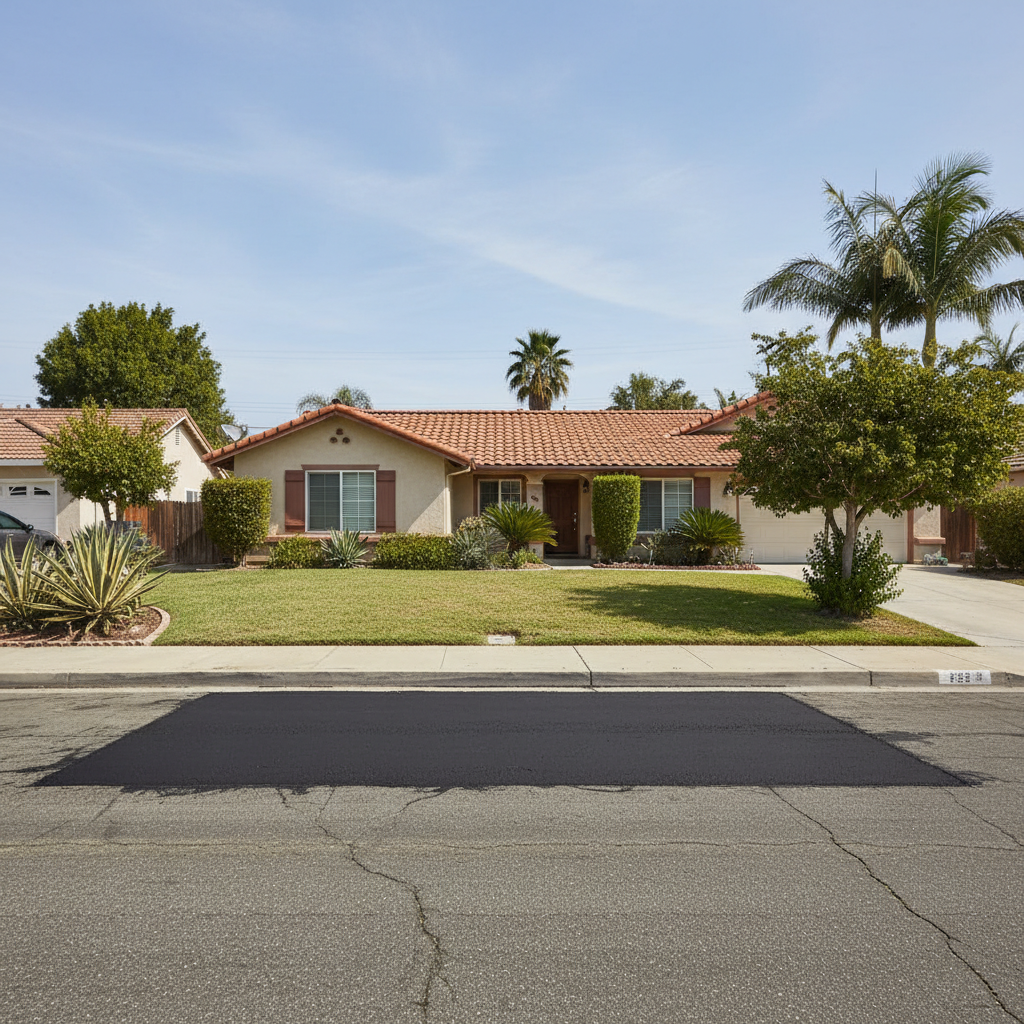
You've seen them, haven't you? Those ugly cracks and potholes that seem to pop up overnight, especially after a good rainy season. They're not just an eyesore; they're a tripping hazard, and frankly, a sign your asphalt is taking a beating. When it comes to fixing these issues in Garden Grove, you might think a patch is just a patch, but I'm here to tell you it's not quite that simple. Local conditions, the kind of damage, and how you approach the repair all play a huge role in whether that patch lasts a few months or a few years. It really does make a difference.
Why Garden Grove Asphalt Takes a Hit
Our weather here in Garden Grove is pretty mild most of the time, sure, but those hot summer days followed by cooler nights, and then the occasional heavy rain? That's a perfect recipe for asphalt stress. The constant expansion and contraction can really work on your pavement, leading to cracks. And let's not forget the soil. A lot of our older neighborhoods, especially around the Historic Main Street area, were built on soil that can shift over time. If your sub-base isn't stable, that asphalt on top is going to show it, believe me.
Then there's the traffic. Even in residential areas, cars driving over the same spots day in and day out—especially heavier vehicles like delivery trucks—can speed up wear. I've seen driveways in the Eichler tracts off Stanford Avenue that look great, but then you find a spot where a heavy RV always parks, and boom, there's a depression or a crack that needs attention. It happens.
Not All Patches Are Created Equal
When you're looking at asphalt repair, you've got a few options. Knowing the difference is key to getting a good fix. You wouldn't just throw a band-aid on a broken bone, right? It's the same with asphalt.
- Cold Patch: This is your quick fix, your emergency repair. It's easy to put down and you can find it at any hardware store. It's great for filling a pothole temporarily to prevent more damage or a vehicle accident. But honestly, it's not a long-term solution, especially for heavier traffic areas. It tends to break down and pop out over time. It's like putting a sticky note on a leak, really.
- Hot Patch (Cut and Patch): Now we're talking about a real repair. This is where we cut out the damaged section of asphalt, clean out the base, apply a tack coat, and then fill it with hot, fresh asphalt. We compact it properly, and it blends much better with the existing pavement. This is what you want for significant potholes, alligator cracking, or areas with structural damage. It's durable and designed to last.
- Infrared Patching: This is a pretty cool technique. We use infrared heaters to soften the existing asphalt around the damaged area. Then we rake it, add a bit of new asphalt if needed, and re-compact it. It creates a seamless repair because you're essentially recycling and blending the old asphalt with new. It's great for surface cracks, shallow depressions, and areas where you want a really smooth finish without a visible seam.
Why Local Expertise Matters for Your Patching Project
You might think asphalt is asphalt, but knowing the local conditions makes a huge difference. Someone who's been working in Garden Grove for years, like us at Garden Grove Asphalt Construction, understands the soil types, the drainage patterns, and even the common issues specific to different parts of the city. We know that a patch needed on a commercial parking lot near the 22 freeway might need a different approach than a residential driveway patch in a quiet neighborhood off Lampson Avenue. It's just how it is.
We also know the local regulations and what kind of repairs will hold up best with our specific climate fluctuations. Getting the right material mix and compaction for our specific conditions isn't something you learn from a textbook; it comes from doing the work day in and day out, right here in Garden Grove.
A poorly done patch isn't just ugly; it's a waste of money because you'll be fixing it again in a year or two. A good patch, done right the first time, extends the life of your pavement and saves you headaches down the road. Don't underestimate the value of having someone who knows the lay of the land, literally, when it comes to your asphalt repairs.